
The word parfait literally means “perfect” in French — and honestly, both versions kind of live up to the name. What’s interesting though is that depending on where you are, a parfait can mean two very different things. One leans elegant and dessert-forward, the other cozy, practical, and breakfast-ready. Same name, totally different vibe.
Let’s break it down.
The French Parfait: Classic, Creamy, and Dessert-Worthy
In France, a parfait is not something you grab on the way out the door. It’s a refined, sit-down-and-savor kind of dessert rooted in traditional pastry technique.
In classic French pastry, parfait refers to a frozen dessert made with a custard-style base — very different from the layered yogurt version most of us know today.
What It’s Made Of
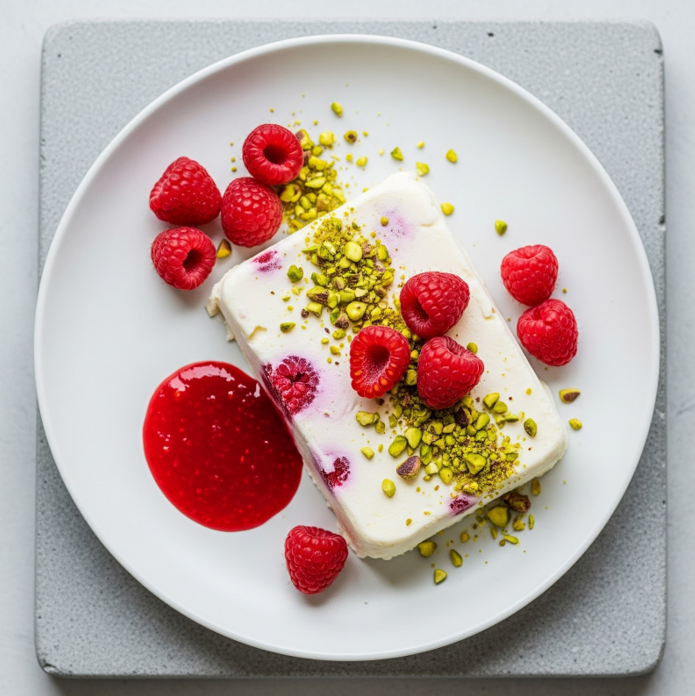
A true French parfait is essentially a frozen mousse. It starts with egg yolks whisked with hot sugar syrup to create a silky base, which is then gently folded with whipped cream and flavorings like chocolate, vanilla, or fruit purée. Simple ingredients, but very intentional.
Texture & Technique
Instead of being churned like ice cream, the mixture is poured into a mold and frozen as-is. The result is smooth, rich, and lightly frozen — creamy without being icy. Thanks to the egg yolks, it holds its texture beautifully and melts slowly, almost luxuriously.
How It’s Served
French parfaits are typically unmolded and sliced or neatly presented in a glass. Garnishes are minimal and elegant — maybe a fruit coulis, a crisp biscuit, or a delicate sugar accent. It’s unmistakably dessert and very much meant to end a meal on a polished note.
The American Parfait: Layered, Comforting, and Anytime-Friendly
Across the pond, the parfait took on a whole new identity — and honestly, one that fits right into busy mornings and snack breaks.
What It’s Made Of
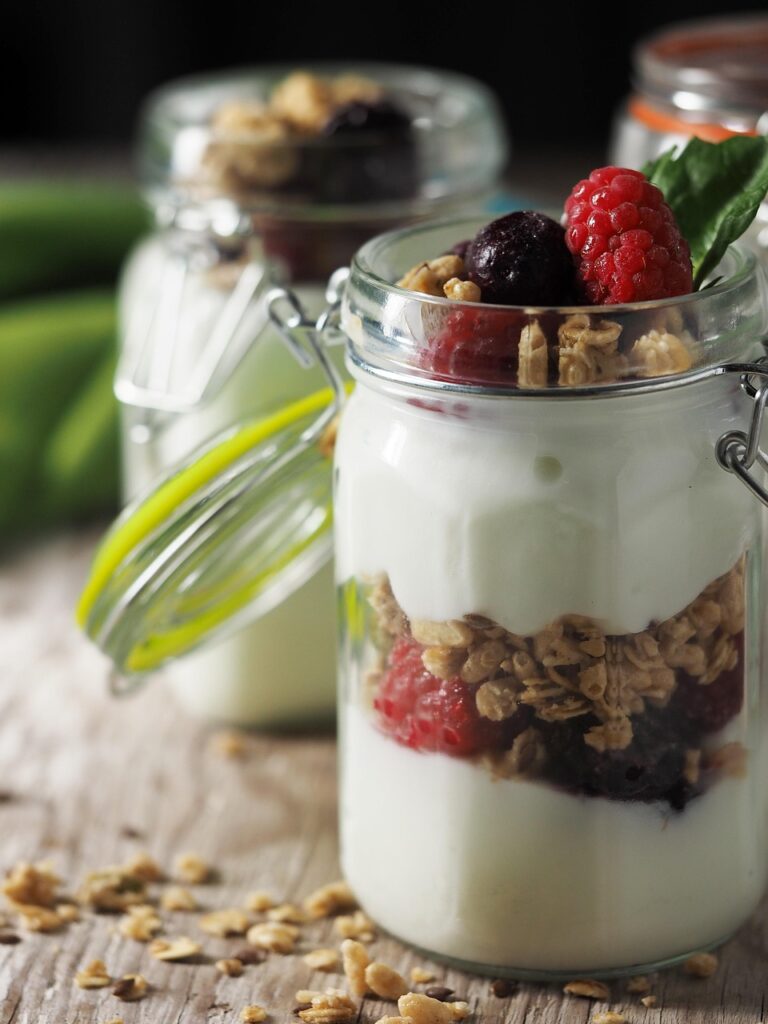
The American parfait is all about layers. You’ll usually find:
- Yogurt – often Greek yogurt for creaminess and protein
- Granola – for crunch and texture
- Fresh fruit – berries, bananas, peaches, whatever’s in season
It’s flexible, customizable, and easy to make your own.
Texture & Assembly
Unlike its frozen French counterpart, in American café culture, parfait is served chilled and assembled just before eating. Each spoonful gives you a little bit of everything — creamy, crunchy, sweet, and tangy — which is probably why it never gets old.
How It’s Served
The beauty of an American-style parfait is in the layers themselves, not the container. Whether it’s spooned into a glass, a jar, or a simple bowl, those layers make it feel a little special — even when it comes together in just a few minutes. It’s casual, nourishing, and easy to enjoy any time of day.
Same Name, Two Different Stories
So while both parfaits share layers and visual appeal, they’ve evolved into completely different experiences. One is a refined French dessert meant to linger over. The other is a comforting, build-it-your-way staple that fits effortlessly into everyday life.
And honestly? There’s room for both. 💛
Same name, two very different parfaits — here’s a quick comparison. 🍨 vs 🥣
| Feature | French Parfait | American Parfait |
|---|---|---|
| Primary Base | Frozen egg yolk custard (pâte à bombe) and whipped cream | Yogurt (usually Greek) |
| Preparation State | Frozen, like a mousse or ice cream | Chilled (refrigerated) |
| Key Layers | N/A (often served as a single block or piped dessert) | Yogurt, Granola, Fresh Fruit |
| Role in Meal | Formal Dessert | Breakfast, Snack, or Dessert |
| Texture | Smooth, creamy, semi-frozen | Layered, creamy, crunchy, and indulgently balanced |
Where My Parfait Fits In
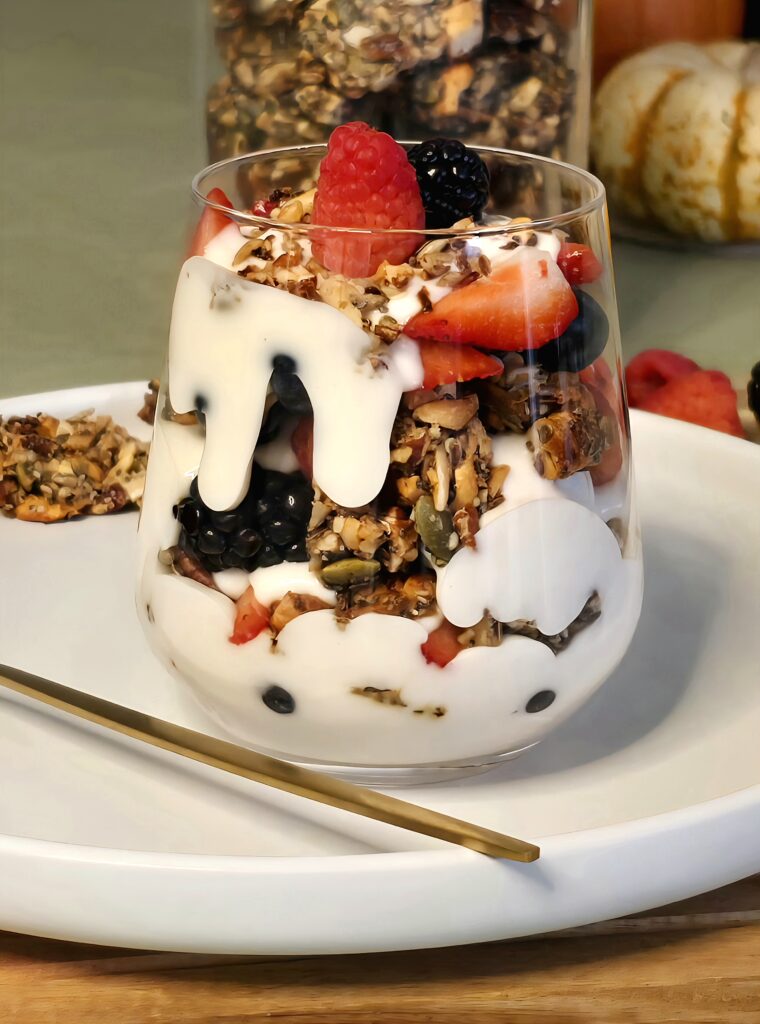
My parfait may be rooted in the American-style parfait — layered, chilled, and wonderfully easy — but it doesn’t stop at breakfast or snack time. With a few thoughtful touches, it transitions beautifully into dessert territory.
At its core, it’s still all about balance: creamy yogurt, fresh fruit, and a crunchy layer that brings texture and warmth. But when you gently sweeten the yogurt with a drizzle of honey, add a pinch of cinnamon, and finish with cocoa nibs, something shifts. Those small details deepen the flavor and add just enough indulgence to make this parfait feel intentional, elevated, and honestly… a little irresistible.
The cocoa nibs bring a subtle bitterness and crunch that plays perfectly against the creamy yogurt and sweet fruit, while the cinnamon adds warmth without overpowering anything. It’s not heavy or overly rich — just refined enough to feel like a dessert you’d happily serve after dinner. This isn’t a frozen French parfait, and it’s not trying to be. It’s a modern, versatile parfait that works just as well in the morning as it does at the end of a meal. Simple, nourishing, and quietly stunning — the kind of dish that proves dessert doesn’t have to be complicated to feel special.
How This Parfait Comes Together
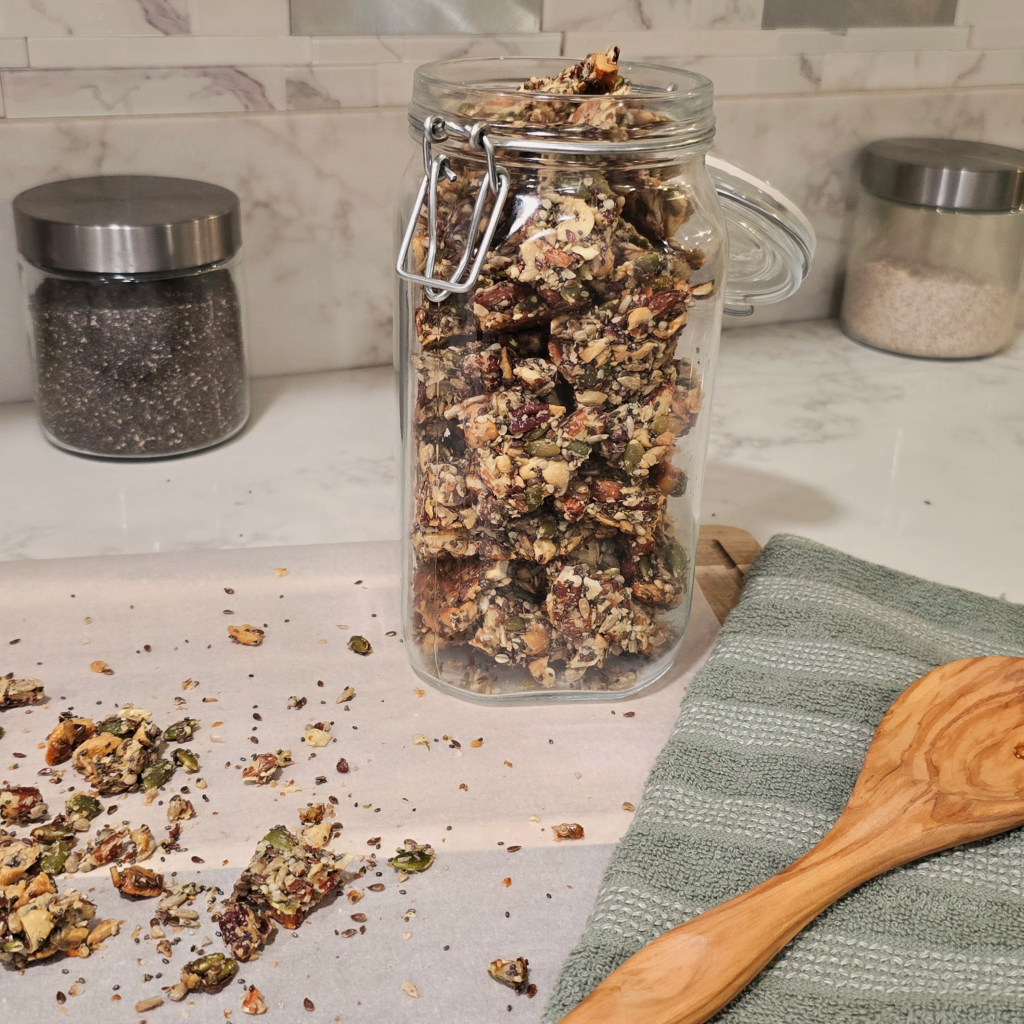
Below, I’m sharing the parfait recipe I actually make at home, along with the seeded brittle I love layering into it for crunch and depth. Both recipes include simple add-ins so you can keep things light and nourishing — or lean into dessert with a drizzle of honey and a few finishing touches.
What I love about parfaits is that they don’t have to stay in one lane. They can be simple or a little special, everyday or dessert-worthy, depending on the moment. One day it’s breakfast, the next it’s something you linger over after dinner.
Knowing where parfaits come from just adds to that appreciation. The French version is all about slowing down and savoring, while the American version is meant to be layered, mixed, and made your own. This parfait lives right in between — easy enough for real life, but open to a little extra when you feel like it.
That’s the kind of cooking I keep coming back to. Food that fits into your day without feeling boring or overthought. Just good, satisfying, and exactly what you’re in the mood for.